Loading...
Serving San Ramon, CA and surrounding areas. (925) 678-6684
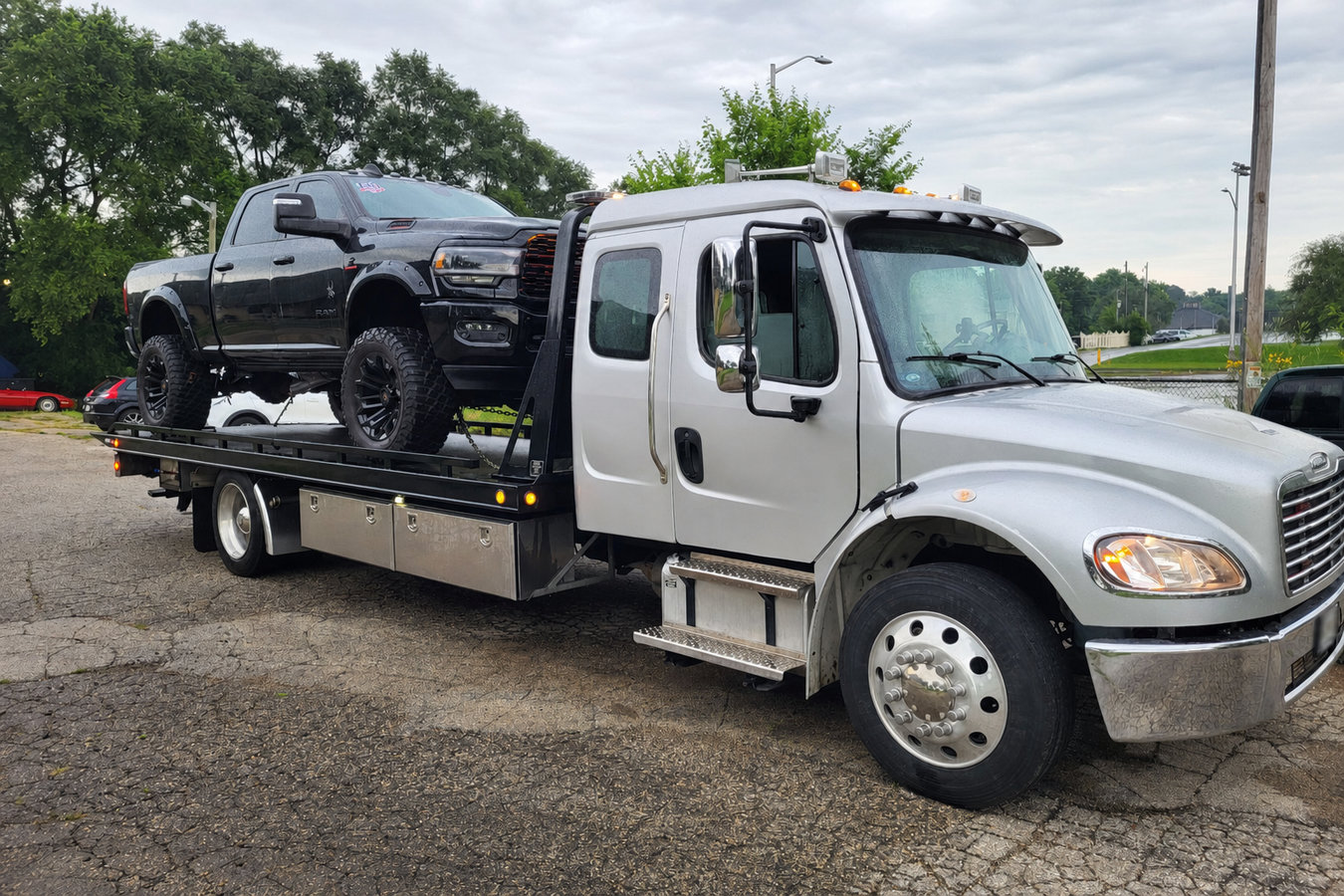
Semi-trucks, box trucks, and commercial rigs down on I-680 or in a San Ramon business park - we dispatch heavy-duty units 24/7 to get your truck to the shop with minimum downtime.
Truck towing in San Ramon moves disabled commercial trucks - semis, box trucks, flatbeds, and other large rigs - using heavy-duty equipment rated for the load, with most straightforward tows completed and the vehicle delivered to the destination shop or yard on the same day of the call.
A commercial truck that weighs tens of thousands of pounds needs a tow unit built specifically for that load - using undersized equipment risks damaging your frame, axles, or drivetrain and can create a dangerous situation on a busy corridor like I-680. For situations where a truck has gone off the road or rolled over, our heavy duty towing and wrecker crews handle the recovery before the tow begins.
Fleet managers and owner-operators in the San Ramon Valley who establish a towing relationship before a breakdown happens get faster dispatch and a crew that already knows their operation. When a rig goes down at 2 a.m. on I-680, that preparation is the difference between an hour of downtime and half a day.
A blown engine, transmission failure, or tire blowout that leaves your rig on the I-680 shoulder cannot wait for a mobile fix that may not be possible. Every hour it sits is downtime your business is absorbing, and the freeway shoulder between San Ramon and Pleasanton is a dangerous place to park for long. A heavy-duty tow gets the truck moving toward a repair facility faster than almost any alternative.
If your truck has stalled on one of the grades leading into the Diablo Range foothills, or is stuck in a loading dock, parking structure, or tight Bishop Ranch access road, standard towing equipment may not be enough. These situations call for a provider with the right heavy-duty unit and the experience to work in confined or sloped environments safely without adding damage.
When a box truck or delivery vehicle goes down mid-route in the San Ramon Valley, the clock is running on your delivery commitments and your driver's safety. Having a truck towing provider on call - one you have already vetted - means dispatch goes out immediately rather than spending time searching while your driver waits on the side of the road.
A commercial truck involved in a collision may need recovery before it can be towed - uprighting, load management, or careful extraction first. The California Highway Patrol will typically manage the scene and may direct which towing company responds. Knowing your provider's capabilities ahead of time means you can advocate for the right equipment when it matters most.
Our truck towing operation covers the full range of commercial vehicle recoveries across the Tri-Valley. For semi-trucks and large commercial rigs on I-680, we dispatch heavy-duty tow units matched to the load weight and vehicle type - not whatever happened to be available. For box trucks, delivery vehicles, and medium-sized rigs in San Ramon business parks and loading areas, we handle the access and coordination challenges that come with commercial property environments. For complex situations where the truck needs recovery before it can be towed, our commercial towing team coordinates the full sequence.
Fleet accounts are available for managers who run regular delivery or service routes through the San Ramon Valley. Pre-established accounts mean faster dispatch, a dispatcher who already knows your truck types and preferred destinations, and no scrambling at 3 a.m. when a rig goes down. We also coordinate with the heavy duty towing team when a commercial truck breakdown becomes a recovery situation before transport can begin.
For large commercial rigs and tractor-trailers disabled on I-680 or nearby corridors.
For mid-size commercial vehicles in business parks, loading docks, and tight access areas.
For trucks disabled on hillside roads with specialized rigging for safe hookup on a slope.
Pre-established accounts for fleet managers and owner-operators in the San Ramon Valley.
Coordinating with CHP and recovery crews for trucks involved in collisions on I-680.
For trucks that need transport beyond the Tri-Valley to a repair facility or fleet yard.
I-680 is one of the busiest freight and commuter corridors in the East Bay, carrying commercial trucks between the Central Valley and the Bay Area through a section that climbs grade between San Ramon and Pleasanton. A truck breakdown here - particularly during morning rush hour - involves limited shoulder space, fast-moving lanes, and the need to coordinate with the California Highway Patrol before moving the vehicle. Our operators know the merge points, the access roads off the freeway, and how to work safely in this environment. Customers in San Leandro and Livermore face similar I-680 and Altamont corridor challenges with commercial vehicle breakdowns.
San Ramon is also home to Bishop Ranch, one of the larger office and business-park developments in the Bay Area, with a steady volume of box trucks, delivery vehicles, and service fleets operating in its loading areas and parking structures. A provider experienced with commercial property tows in this environment understands the access and coordination challenges that are different from a freeway shoulder call. The Federal Motor Carrier Safety Administration sets the federal standards for commercial vehicle operations that qualified operators follow.
Tell dispatch your exact location - a mile marker on I-680, a cross street, or a business address. Describe the truck type, approximate size, whether it is loaded or empty, and what happened. Mention any hazards like a fluid leak, a shifted load, or a truck blocking a lane. This information determines which heavy-duty unit gets dispatched and how the crew prepares before they arrive.
Dispatch will give you an estimated arrival window based on current traffic and the location of the nearest available heavy-duty unit. During peak hours on the I-680 corridor, Bay Area traffic can extend that window. Stay with your vehicle if it is safe, turn on hazard lights, and if you are on the freeway shoulder, stay behind the guardrail away from traffic until the crew is on scene.
The operator walks around the truck before attaching anything - checking the vehicle's position, condition of tires and axles, whether the truck is on a grade, and whether the load needs to be addressed before transport. This assessment is what separates a safe, damage-free tow from one that causes additional problems. You will be told what is happening and why before work begins.
The operator selects the right attachment method - heavy-duty underlift, wheel-lift, or full-cradle setup - and secures the vehicle before moving it. Once secured, your truck is transported to the shop, yard, or facility you designate. You will receive documentation of the tow for your fleet or insurance records, and payment or billing is confirmed at drop-off.
We respond within 1 business day for fleet estimates - no obligation. After you submit, someone from our office calls to discuss your trucks and schedule a consultation. For an active breakdown on I-680, call us directly for immediate dispatch.
(925) 678-6684We dispatch equipment rated for your truck's actual size and weight - not the nearest unit that was available. When your rig goes down on I-680, the tow unit that shows up matters as much as how fast it gets there. Undersized equipment risks your truck and creates safety problems on a busy freeway shoulder.
Every hour a commercial truck sits disabled is money out of your operation - missed deliveries, idle drivers, delayed schedules. Fast dispatch with the right equipment gets your rig moving toward a repair facility as quickly as possible. That speed is built on having the right units staged and operators who know this corridor.
Qualified operators for commercial truck towing hold the appropriate commercial driver's license for the equipment they operate and have experience with the specific vehicle types common on this corridor. We can answer direct questions about our credentials without hesitation - that is the baseline you should expect from any provider handling your equipment.
San Ramon fleet managers and owner-operators who establish an account before an incident happens get faster dispatch, a dispatcher who knows their trucks, and no wasted time searching at 2 a.m. when a rig goes down on I-680. Setting this up costs nothing and makes every future call faster and less stressful.
The combination of the right equipment, commercial operator credentials, and local I-680 corridor knowledge is what makes a truck tow go smoothly - from the first call to drop-off at your shop or fleet yard. Those are the details that protect your truck and your schedule when something goes wrong.
Towing and transport for commercial vehicles of all types across the San Ramon Valley and Tri-Valley business corridors.
Learn MoreRecovery and transport for the heaviest loads and most complex commercial breakdowns on I-680 and local corridors.
Learn MoreKeep (925) 678-6684 saved - when a rig goes down on I-680 or in a San Ramon business park, one call gets our heavy-duty unit moving to your location right away.