Loading...
Serving San Ramon, CA and surrounding areas. (925) 678-6684
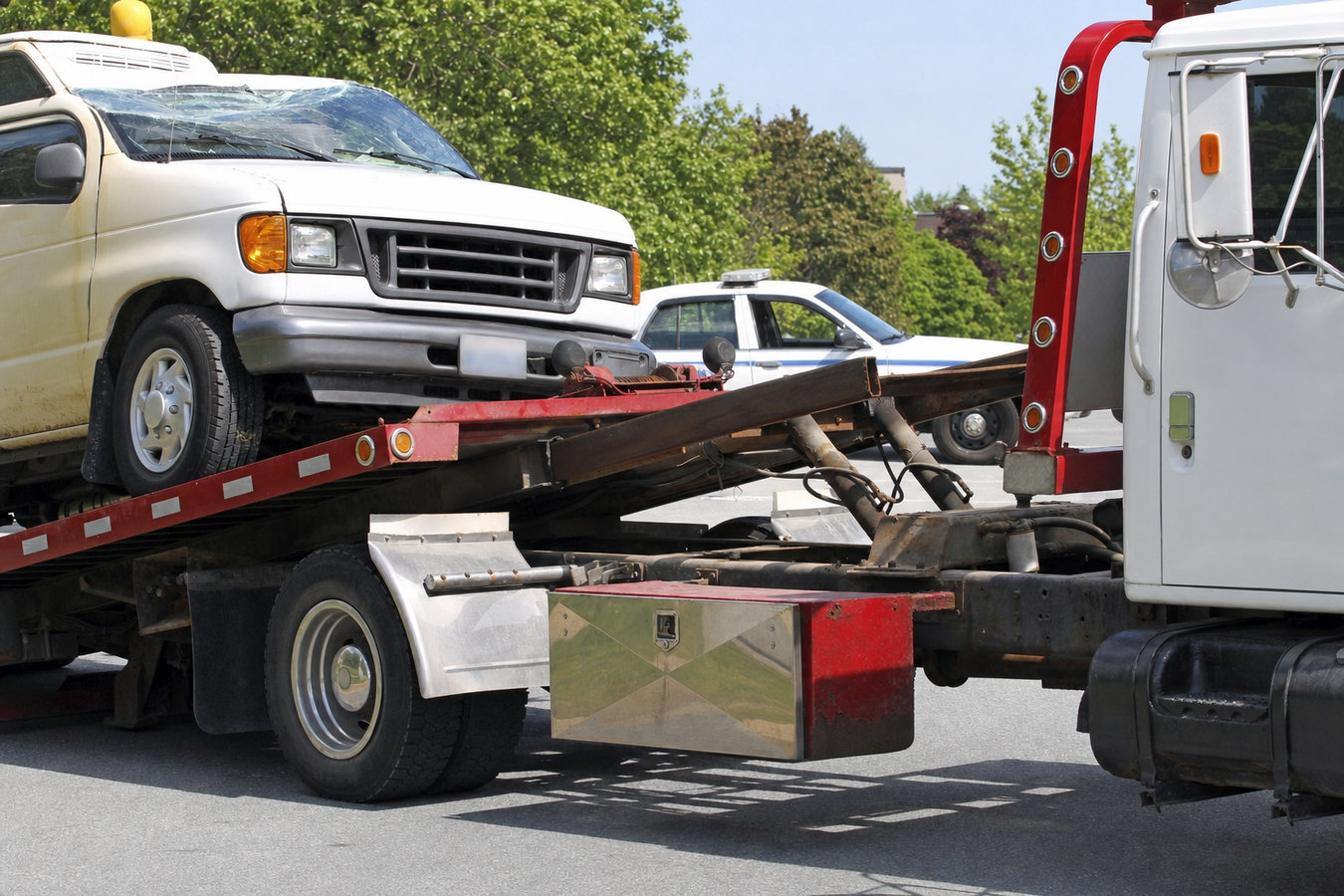
CHP-directed I-680 clearances, local law enforcement impounds, and accident scene tows handled with proper documentation and a clear release process for owners.
Police towing in San Ramon covers law enforcement-ordered vehicle removals - CHP-directed clearances on I-680, local police impounds for violations or accidents, and storage holds placed on vehicles following an incident. Unlike a standard tow you call for yourself, a police tow is authorized by a government agency, which means the process for the vehicle owner involves contacting the right agency, confirming the hold type, and following California law on vehicle release and post-storage hearings.
If your vehicle was involved in an accident on I-680 or Crow Canyon Road and cleared by CHP, understanding the release process is the first step. California law requires the towing company to notify the registered owner within a specific time window, and the owner has rights - including the right to contest certain holds and request itemized billing. For situations where you need to recover a vehicle quickly after an incident, our vehicle storage team can walk you through what documentation you need and how fees are structured.
We handle police towing from both sides: as the operator called to clear a scene by CHP or local law enforcement, and as a resource for vehicle owners trying to understand the process after an impound. We are available 24 hours a day, and we dispatch with the right equipment for the vehicle type involved.
When a vehicle is disabled in an active lane or shoulder on I-680 near San Ramon, CHP may order it cleared before the owner can arrange their own tow. The clearance moves the vehicle off the freeway to a designated storage location. The owner is notified and has rights under California law to reclaim it and contest certain charges.
Local police and CHP can impound a vehicle for registration violations, unlicensed operation, DUI arrests, and other California Vehicle Code reasons. Each impound type carries a different hold period and release process. Acting quickly matters because daily storage fees accumulate from the moment the vehicle enters the lot.
After a collision on Crow Canyon Road, Bollinger Canyon Road, or other Tri-Valley roads, law enforcement may direct the involved vehicles to be towed before owners can make their own arrangements. A police-ordered tow in this context is about scene safety and traffic flow - the release process follows California lien law.
If a vehicle sits in impound beyond the standard hold period without the owner claiming it, California law allows the storage facility to begin a lien process. This is a separate and more complex situation that involves statutory notices to the registered owner and lienholder. If you are approaching this situation, contact us or a vehicle law attorney quickly.
We operate as a law enforcement-authorized towing provider for the San Ramon and Tri-Valley area, handling CHP-directed clearances on I-680, local police-ordered impounds, and accident scene removals on surface streets and connecting corridors. Every police tow we handle is documented - the vehicle condition is logged at pickup, and the owner receives the notification required under California law. For owners working through the release process, we explain the documentation required and direct you to the correct agency for hold authorization. Our accident recovery team handles the more complex removal scenarios - overturned vehicles, off-road incidents, and multi-vehicle pileups - while the police towing side of the operation handles the standard clearance and impound calls.
Our dispatch is available 24 hours a day, and we maintain the equipment certifications and insurance coverage required for CHP rotation work in Contra Costa County. For vehicle owners, we can also coordinate with our vehicle storage facility if you need to hold a vehicle while you arrange insurance, legal, or title matters following an impound. All fees are itemized in writing, and we follow California-mandated billing practices for police-ordered tows.
For I-680 and connecting freeway impounds ordered by CHP - dispatched with the right equipment for the vehicle type.
For San Ramon Police Department and other local agency-ordered tows throughout the Tri-Valley service area.
For collision-related tows on surface streets and freeways, with condition documentation and proper agency notification.
For vehicle owners navigating the California lien law release process - itemized billing, documentation guidance, and storage coordination.
I-680 is the primary freeway through San Ramon, carrying heavy commuter and commercial traffic between the South Bay, the Tri-Valley, and the Bay Area interchange near Walnut Creek. CHP maintains an active presence on this corridor, and police-ordered tows happen regularly - for disabled vehicles on the shoulder, post-accident clearances, and enforcement stops. An operator working the I-680 corridor needs to know the CHP notification and documentation requirements, the Contra Costa County impound protocols, and how to move a vehicle from the freeway shoulder safely when traffic is live. We have been handling these calls from San Ramon since 2019.
Surface street police tows in Danville, CA and Dublin, CA are also part of our regular dispatch area. Local police impounds in these cities follow the same California Vehicle Code framework as San Ramon, and owners have the same rights to post-storage hearings and itemized billing regardless of which agency ordered the tow. Knowing the process and the paperwork requirements across the Tri-Valley is part of what makes a reliable police towing operation in this area.
CHP or local police issue the tow authorization, specifying the vehicle and the hold type. We dispatch with the appropriate equipment and arrive at the scene to clear the vehicle under law enforcement direction.
The vehicle condition is logged at pickup - noting existing damage - and the vehicle is transported to a storage facility. California law requires the towing company to notify the registered owner and lienholder within the timeframe set by the Vehicle Code.
The vehicle owner calls the agency that ordered the tow to confirm the hold type and obtain a release authorization. This step comes before coming to the storage facility. We can direct you to the correct contact if you are unsure which agency ordered your tow.
With the agency release in hand - plus valid ID, proof of ownership, and proof of insurance - the vehicle can be reclaimed. All charges are itemized in writing per California law. Daily storage fees accumulate from the day of impound, so acting quickly reduces the total cost.
We are available 24 hours a day and can help you understand the process, the documentation needed, and what the fees cover before you come to the facility.
(925) 678-6684Operating on the CHP rotation means meeting strict equipment, insurance, and response-time standards set by the agency. Our authorization covers the I-680 corridor through San Ramon and the surrounding Tri-Valley area - it is not a self-declared credential.
California law requires police-ordered tow operators to provide itemized billing and follow rate structures for law enforcement-directed work. Every invoice we issue lists each charge separately - owners know exactly what they are paying and why before they release the vehicle.
Police-ordered tows do not happen on a schedule. We dispatch 24 hours a day, every day. The California Highway Patrol and local agencies in the Tri-Valley can reach us at any hour, and our response time reflects that commitment.
When a vehicle owner calls us confused about why their car was towed and what they need to do next, we walk them through the California Vehicle Code process - which agency to call, what documents to bring, and how to request a post-storage hearing if warranted. That guidance costs nothing and saves owners unnecessary trips and delays.
Police towing requires meeting two very different sets of expectations at once - the speed and documentation standards set by law enforcement, and the transparency and fairness that vehicle owners deserve under California law. We operate on both sides of that requirement, and have done so throughout the Tri-Valley since 2019.
Secure storage for vehicles held after an impound, legal matter, or insurance claim - with California lien-law compliant documentation.
Learn MoreComplex crash scene recoveries involving overturned vehicles, off-road incidents, and multi-vehicle clearances beyond a standard tow.
Learn MoreCall (925) 678-6684 now - we are available 24 hours a day and can dispatch for law enforcement-directed clearances or help you understand the release process for an impounded vehicle.